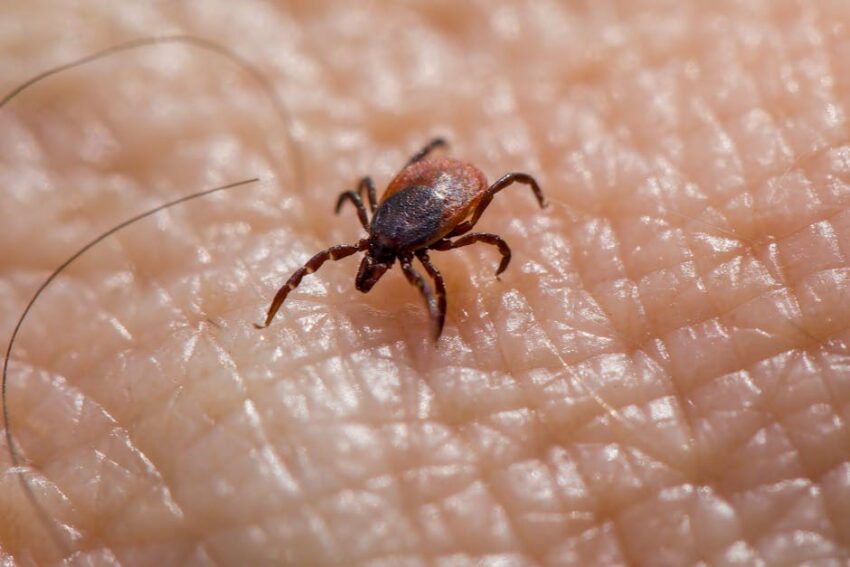
Why are ticks appearing farther north in Europe? Over the past two decades, public health agencies have reported an increase in tick encounters in regions that were once considered too cold for the insects to thrive. The main driver of this shift is climate change. Warmer winters, milder springs and longer summers create an environment…
EU4Health Surveillance Grants: What’s Changing in 2026
Why the 2026 update matters to public‑health organisations EU4Health is the European Union’s flagship health programme for the 2021‑2027 period. In its second half, the programme introduces a revised set of Surveillance Grants designed to strengthen cross‑border monitoring of infectious diseases, environmental hazards, and health‑related data gaps. For national agencies, research institutes, and NGOs that…
Campylobacter: Why Poultry Hygiene Still Fails Europe
What is Campylobacter and why does it matter? Campylobacter is a genus of bacteria that causes gastro‑intestinal infection in humans. The most common species involved in human disease are Campylobacter jejuni and Campylobacter coli. Infection typically leads to diarrhoea, abdominal pain, fever and, in severe cases, Guillain‑Barré syndrome. In the European Union, Campylobacter ranks as…
How Heatwaves and Floods Raise Food‑Borne Disease Risk
Why do extreme weather events matter for food safety? When a heatwave swarms a city or a flood inundates a rural valley, the immediate concern is often property damage, power outages, or human injury. A less obvious, but equally serious, consequence is the heightened risk of food‑borne illness. Food safety depends on controlling three factors:…
Listeria in Ready‑to‑Eat Foods: Europe’s Most Severe Zoonosis
What makes Listeria a unique public‑health threat? Listeria monocytogenes is a Gram‑positive bacterium that can grow at refrigeration temperatures, survive high salt concentrations, and persist on processing surfaces for months. Unlike many food‑borne pathogens, it does not need high temperatures to multiply; a chilled pack of sliced ham can become a vehicle for infection if…
Why Salmonella in Poultry Is Still Rising in Europe
Salmonella remains one of the most important food-borne zoonotic threats in Europe. It is not the most frequently reported zoonosis in humans, but it continues to cause a large burden of illness and remains closely tied to poultry, eggs, food production, and public health surveillance. That makes it a practical issue rather than a narrow…
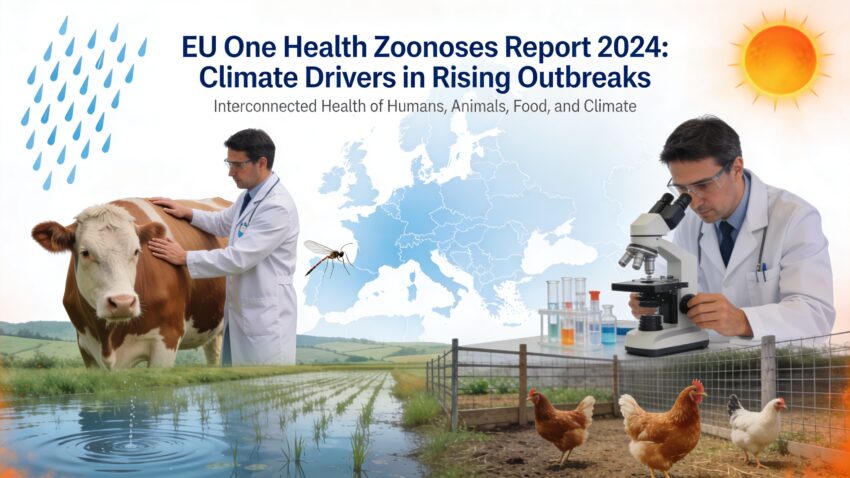
EU One Health Zoonoses Report 2024: Climate Drivers in Rising Outbreaks
The European Union One Health Zoonoses Report 2024 is the most recent full annual summary of zoonotic disease trends in the EU. It brings together data on infections that pass between animals and humans, findings from food-borne outbreak investigations, and surveillance results from public health, veterinary, and food safety systems. For anyone trying to understand…